
The Case for Buying Secondhand: Trade-Offs Every Family Should Know
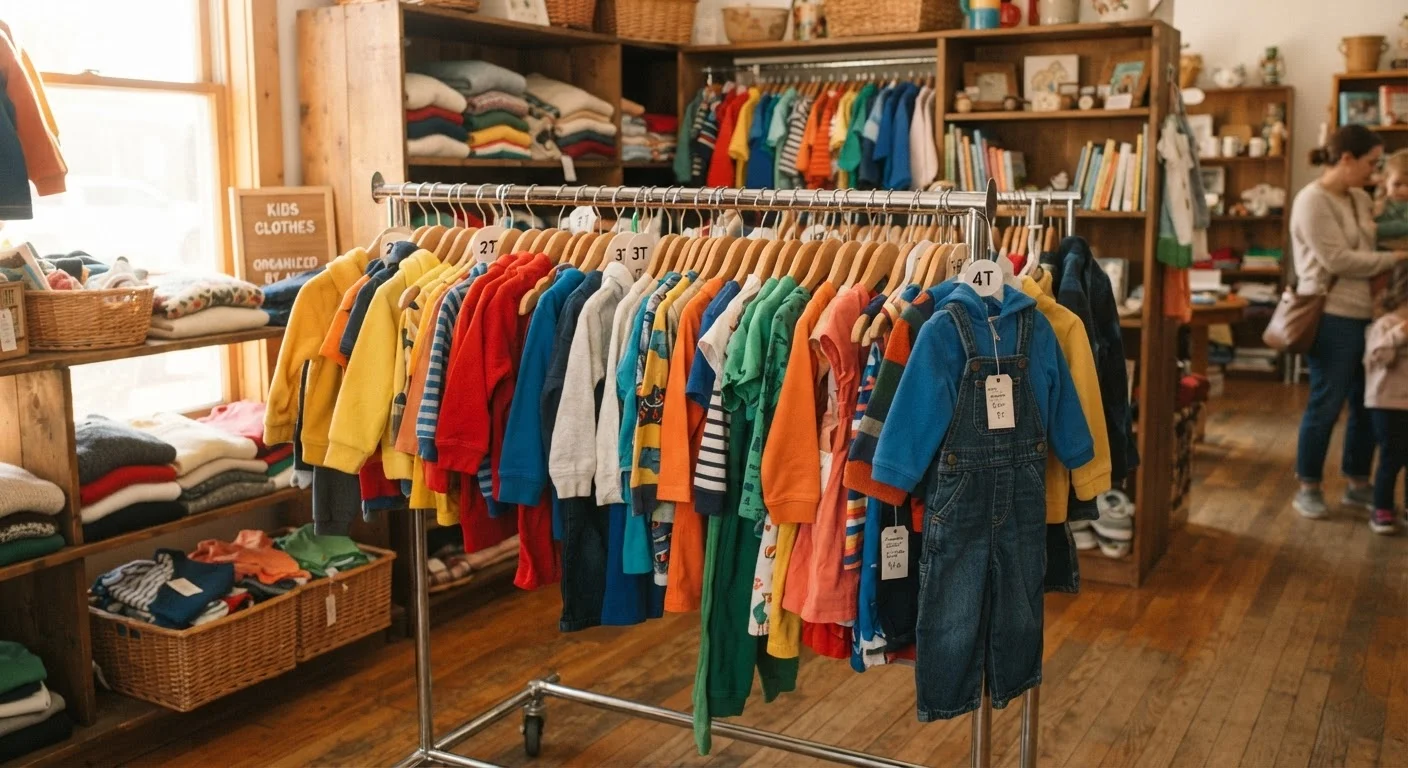
Photo credit: advancesimple.com
In this article
Secondhand shopping can stretch a family budget significantly, but it comes with real limitations too. Here's an honest look at both sides.
Key Takeaways
- Secondhand shopping can cut clothing and furniture costs by 50 to 80 percent compared to retail prices.
- Some categories, like car seats and certain appliances, carry genuine safety risks when bought used.
- Thrift stores, garage sales, and online resale platforms each have different strengths depending on what you need.
- The time cost of secondhand shopping is real and worth factoring into any family's decision.
- Knowing what to skip secondhand is just as useful as knowing what to buy.
Significant savings on children's clothing and gear
Kids outgrow items fast, so gently used clothing, shoes, and gear are widely available and typically priced 60 to 80 percent below retail. Families with multiple children can pass items down further, stretching the value even more.
Furniture and home goods at a fraction of retail cost
Solid wood furniture, kitchen tools, and decor hold up well over time and are common at thrift stores and estate sales. A functional bookcase or dining chair bought used for $15 to $30 performs the same job as a new one.
Reduces the cost of short-term-use items
Books read once, toys used for a single developmental stage, and hobby equipment from abandoned interests are all well-suited to secondhand purchase. You pay for the utility, not the novelty.
Adds a natural check on impulse spending
Secondhand shopping shifts you from responding to marketing to searching for something specific. That friction alone tends to reduce purchases you would later regret.
Lowers the financial risk of trying something new
Buying a used piece of exercise equipment or a hobby kit secondhand lets a family test genuine interest before committing to a full retail price.
Time investment is real and can be significant
Finding the right item in the right condition takes browsing, sorting, and sometimes multiple trips or searches. Families with very little free time may find that the hours spent offset some portion of the dollar savings.
Inventory is unpredictable and availability varies
You cannot always find what you need when you need it. Secondhand sourcing works poorly for time-sensitive purchases or highly specific items.
Some categories pose genuine safety concerns
Car seats, cribs, helmets, and certain electrical appliances should generally be purchased new. Past damage, recalls, or outdated safety standards may not be visible during a secondhand inspection.
Condition is harder to assess than it appears
An item that looks fine in a photo or on a shelf may have hidden wear. Electronics in particular can fail shortly after purchase, often with no return policy from private sellers.
Sizing and selection gaps are common in clothing
Stock at thrift stores skews toward certain sizes and styles. Families with children at the extremes of the size range may find useful finds are rare and inconsistent.
Why secondhand spending makes sense for families
Children outgrow clothes before they wear them out. Toys get used for a season. Furniture takes a beating regardless of where it came from. For families managing a tight budget, these realities make secondhand shopping worth a serious look, not as a last resort, but as a deliberate strategy.
The savings potential is concrete. Gently used children's clothing routinely sells for 70 to 80 percent below retail. A wooden bookshelf that cost $150 new might go for $20 at a garage sale. Books, kitchen tools, sports equipment, and board games all follow a similar pattern. Over a year, a family that consistently shops secondhand for these categories can redirect hundreds of dollars toward higher priorities.
Beyond the price gap, secondhand buying fits naturally into the broader goal of intentional spending. When you think about the habits that drain family budgets, impulse purchases at full retail price are near the top of the list. Secondhand shopping adds a natural pause, since you buy what's available rather than what's marketed to you.
Significant savings on children's clothing and gear
Kids outgrow items fast, so gently used clothing, shoes, and gear are widely available and typically priced 60 to 80 percent below retail. Families with multiple children can pass items down further, stretching the value even more.
Furniture and home goods at a fraction of retail cost
Solid wood furniture, kitchen tools, and decor hold up well over time and are common at thrift stores and estate sales. A functional bookcase or dining chair bought used for $15 to $30 performs the same job as a new one.
Reduces the cost of short-term-use items
Books read once, toys used for a single developmental stage, and hobby equipment from abandoned interests are all well-suited to secondhand purchase. You pay for the utility, not the novelty.
Adds a natural check on impulse spending
Secondhand shopping shifts you from responding to marketing to searching for something specific. That friction alone tends to reduce purchases you would later regret.
Lowers the financial risk of trying something new
Buying a used piece of exercise equipment or a hobby kit secondhand lets a family test genuine interest before committing to a full retail price.
Real limitations you should plan around
The case for secondhand is strong, but it is not without friction. Time is the most consistent cost. Finding the right size, style, or item in working condition takes effort. Thrift store inventory is unpredictable, and online resale platforms require sorting through listings, messaging sellers, and sometimes arranging pickup. Families with very limited free time may find that friction genuinely outweighs the savings in some categories.
Availability is another variable. If you need a specific item quickly, secondhand is rarely the fastest route. Holiday shopping with a deadline, for instance, is harder to pull off at the thrift store.
Then there are categories where buying used introduces risks that no discount justifies. Car seats top this list. A seat involved in a collision may have invisible structural damage that makes it unreliable in a future crash, and there is no way to verify a used seat's full history. Cribs are another concern, since older models may not meet current federal safety standards. Helmets, whether for cycling or skiing, degrade after an impact even when no damage is visible.
For a fuller picture of how spending habits interact, see this introduction to frugal living for families, which covers the mindset alongside the mechanics.
Time investment is real and can be significant
Finding the right item in the right condition takes browsing, sorting, and sometimes multiple trips or searches. Families with very little free time may find that the hours spent offset some portion of the dollar savings.
Inventory is unpredictable and availability varies
You cannot always find what you need when you need it. Secondhand sourcing works poorly for time-sensitive purchases or highly specific items.
Some categories pose genuine safety concerns
Car seats, cribs, helmets, and certain electrical appliances should generally be purchased new. Past damage, recalls, or outdated safety standards may not be visible during a secondhand inspection.
Condition is harder to assess than it appears
An item that looks fine in a photo or on a shelf may have hidden wear. Electronics in particular can fail shortly after purchase, often with no return policy from private sellers.
Sizing and selection gaps are common in clothing
Stock at thrift stores skews toward certain sizes and styles. Families with children at the extremes of the size range may find useful finds are rare and inconsistent.
Where to shop and what to expect
Thrift stores run by nonprofits price items low but stock unpredictably. Going in with a general list rather than a specific item in mind works better. Garage sales and estate sales reward early arrivals and flexible schedules. Online resale platforms give you more control over search parameters and let you compare prices across many sellers at once, though you need to factor in shipping costs or pickup logistics.
Buy-nothing groups and local Facebook Marketplace listings sometimes offer free or near-free items, particularly for baby gear, which families are often glad to pass along.
~$500
Average annual savings on children's clothing
Estimates from consumer budgeting analyses suggest families who consistently buy children's clothing secondhand can save several hundred dollars per child each year compared to retail.
70%+
Typical price discount on used furniture
Furniture sold through thrift stores and resale platforms is commonly priced at 20 to 30 cents on the dollar compared to comparable new items at mass-market retailers.
$15B+
U.S. secondhand apparel market size
The resale clothing market in the United States has grown substantially over the past decade, reflecting broader consumer acceptance of buying used across income levels.
The time you invest also varies by category. Clothing for children is almost always easy to find secondhand in good condition. Furniture takes more patience. Electronics require extra scrutiny since functionality is harder to assess from a photo or a quick inspection.
Pairing secondhand habits with smarter grocery and household spending can compound your savings noticeably. The grocery habits that quietly undermine a healthy budget article covers a related set of patterns worth reviewing alongside your resale strategy.
Building a practical secondhand habit
The families who get the most out of secondhand shopping treat it as a system rather than an occasional event. A running list of things the household needs, organized by category and urgency, makes it easier to recognize a good find when you see one. Shopping off-season helps too: winter coats show up at thrift stores in spring, when demand is low and prices follow.
Setting a mental price ceiling before you browse keeps impulse purchases in check. A shirt that costs $6 secondhand is still $6 wasted if nobody ends up wearing it. The same discipline that helps families avoid low-cost routines that build real savings applies here: consistency matters more than any single transaction.
For families building out a broader budget strategy that includes travel and other categories, family finance resources can help connect the pieces.
This article is for general informational purposes only. For safety-related purchasing decisions, particularly for infant and child products, verify current safety standards through official regulatory sources such as the U.S. Consumer Product Safety Commission.

Author
Frugal Living Editorial Team
Frugal Living Editorial Team is the collective byline for our editorial team and contributor network. Articles published under this byline or an editorial pen name are researched, written, and reviewed according to our editorial standards for clarity, consistency, and independence before publication.
View all articles →