
Everything a First-Time Homeowner Should Know About Routine Maintenance
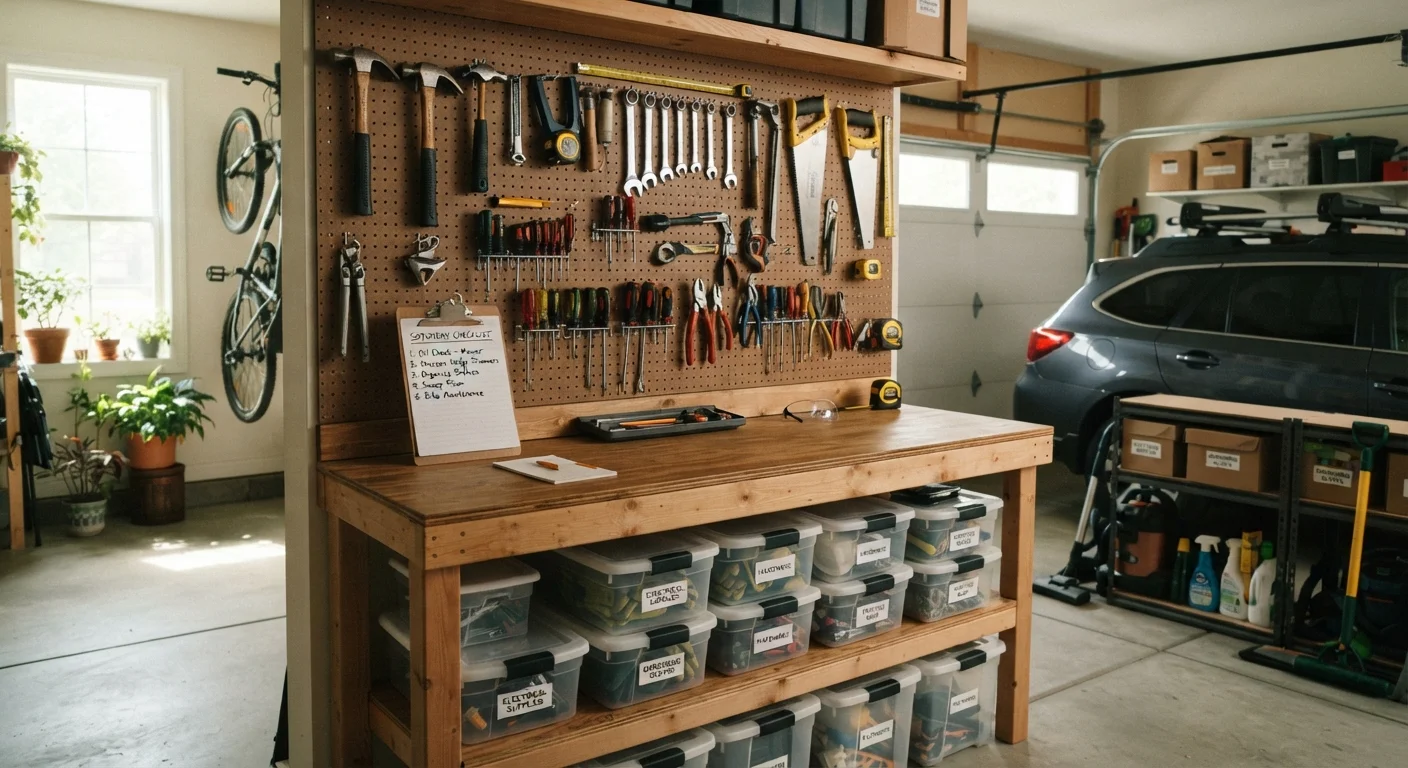
Photo credit: advancesimple.com
In this article
A comprehensive starting point for new homeowners covering essential upkeep tasks, timelines, tools, and cost-saving habits.
Key Takeaways
- Preventive maintenance consistently costs less than emergency repairs for the same systems.
- Most routine tasks require no special skills and can be done in under an hour.
- A written schedule is more reliable than memory for keeping maintenance on track.
- Knowing which jobs require a licensed professional protects your safety and your warranty.
- A modest starter toolkit covers the majority of common household upkeep jobs.
Why routine maintenance saves money
Owning a home transfers responsibility for every system in the building directly to you. There is no landlord to call when the furnace filter is clogged or the caulk around the tub starts to crack. That shift can feel overwhelming at first, but the economics are straightforward: small, regular tasks cost far less than the repairs that follow when those tasks are skipped.
A clogged dryer vent, for instance, is a roughly $100 cleaning job. Left unattended, it can lead to a house fire or a failed dryer requiring hundreds in repairs or replacement. Similarly, an ignored slow leak under a sink can rot the cabinet floor and subfloor, turning a simple washer replacement into a carpentry job. The pattern holds across nearly every home system.
Routine maintenance also protects your financial position in less obvious ways. Many homeowner insurance policies can reduce or deny claims when damage results from negligence or deferred upkeep. A well-documented maintenance history supports a stronger resale price. For a broader look at how home expenses fit into overall household finances, see the annual financial checkup guide.
Preventive maintenance
Regular, scheduled upkeep done to keep home systems working properly and avoid breakdowns, as opposed to reactive repairs made after something has already failed.
HVAC
Heating, ventilation, and air conditioning. The combined system that controls temperature and air quality inside the home.
Pressure relief valve
A safety device on water heaters that releases pressure if the tank overheats. It should be tested periodically according to the manufacturer's instructions.
Caulk
A flexible sealant applied around gaps, joints, or seams to block moisture, drafts, and pests from entering the home.
Main water shutoff
The valve that stops all water flow into the house. Knowing its location lets you quickly stop water damage from a burst pipe or plumbing emergency.
The essential tasks every new homeowner needs to know
The list of things a home can need is long, but most of the high-impact tasks are not complicated. Grouping them by frequency makes the workload manageable.
Monthly
- Test smoke and carbon monoxide detectors.
- Check HVAC filter condition; replace if visibly dirty or per manufacturer schedule.
- Run water in infrequently used fixtures to prevent drain trap evaporation.
Every 3 to 6 months
- Clean dryer vent duct from the dryer to the exterior cap.
- Flush sediment from a water heater if you have a tank-style unit (consult the owner's manual and turn off the power or gas first).
- Check exterior caulking around windows, doors, and penetrations; re-caulk where cracked or missing.
- Inspect roof shingles from the ground for obvious missing or curling pieces.
Annually
- Have the HVAC system serviced by a licensed technician before the heating or cooling season.
- Clean gutters and downspouts; confirm water drains away from the foundation.
- Test the pressure relief valve on your water heater (follow the owner's manual; the valve releases hot water, so take care).
- Inspect attic for signs of moisture, pests, or inadequate ventilation.
For a season-by-season breakdown of which tasks to prioritize when, the seasonal maintenance guide covers the timing in detail.
Building a maintenance schedule that actually works
Memory alone is not a reliable system. A written schedule, whether a phone calendar with recurring reminders, a shared household app, or a printed checklist on the fridge, removes the cognitive load and makes it harder to let tasks slip.
When setting up your schedule, tie tasks to dates you already notice: the start of daylight saving time, the first cold snap of fall, or the first warm weekend of spring. Some homeowners batch smaller tasks on the same weekend each season to reduce the number of interruptions to normal life.
Keep a simple log of what was done and when. This matters for three reasons: it tells you when a task is actually due rather than overdue, it provides documentation if an insurance question ever arises, and it gives you useful data when something breaks so you can rule out maintenance lapses as the cause. The low-cost family routines article shows how building small repeatable habits around the home can add up to real savings over time.
Tools and supplies worth having on hand
A starter toolkit does not need to be large or expensive. The goal is to cover the tasks that come up repeatedly without having to make a hardware store run every time.
- A cordless drill with a basic bit set
- Hammer, flathead and Phillips screwdrivers in two sizes each
- Adjustable wrench and a set of pliers
- Utility knife and a roll of plumber's tape (PTFE tape)
- Caulk gun, a tube of paintable interior caulk, and a tube of silicone exterior caulk
- Ladder tall enough to safely reach your gutters
- Wet/dry shop vacuum
- Replacement furnace filters (buy a few at once to avoid delays)
- Spare smoke detector and CO detector batteries
Beyond physical tools, having your home's main water shutoff, electrical panel, and gas shutoff locations memorized before an emergency is practical preparation that costs nothing. Post the location of these on the inside of a cabinet door alongside your utility company emergency numbers.
Take a walkthrough when you move in
Before settling in, walk every room and exterior area with a notebook and locate the water shutoff, gas shutoff, electrical panel, and all cleanout access points. Photograph them and note any existing issues. This baseline record makes future maintenance and emergency responses significantly faster.
When to call a professional
Knowing where to stop is as important as knowing what to do. Some work carries real safety risk, requires a permit under most local codes, or can void manufacturer warranties if done without a licensed contractor.
As a general rule, contact a licensed professional for any work involving the main electrical panel, wiring beyond replacing an outlet or light switch, gas appliances and gas lines, structural repairs (foundations, load-bearing walls, roof decking), and anything that requires a permit in your municipality. Plumbing that connects to the main supply or drain line is also typically regulated.
If you are unsure whether a job requires a permit or a licensed trade, your local building department can answer that question at no cost. This is not bureaucratic caution; unpermitted work can create complications when you sell the home or file an insurance claim.
For renovation projects where the line between maintenance and improvement blurs, the budget renovation myths article addresses shortcuts that tend to cost more in the end.
Frequently Asked Questions

Author
Home on a Budget Editorial Team
Home on a Budget Editorial Team is the collective byline for our editorial team and contributor network. Articles published under this byline or an editorial pen name are researched, written, and reviewed according to our editorial standards for clarity, consistency, and independence before publication.
View all articles →