
Seasonal Home Maintenance Tasks That Prevent Expensive Repairs
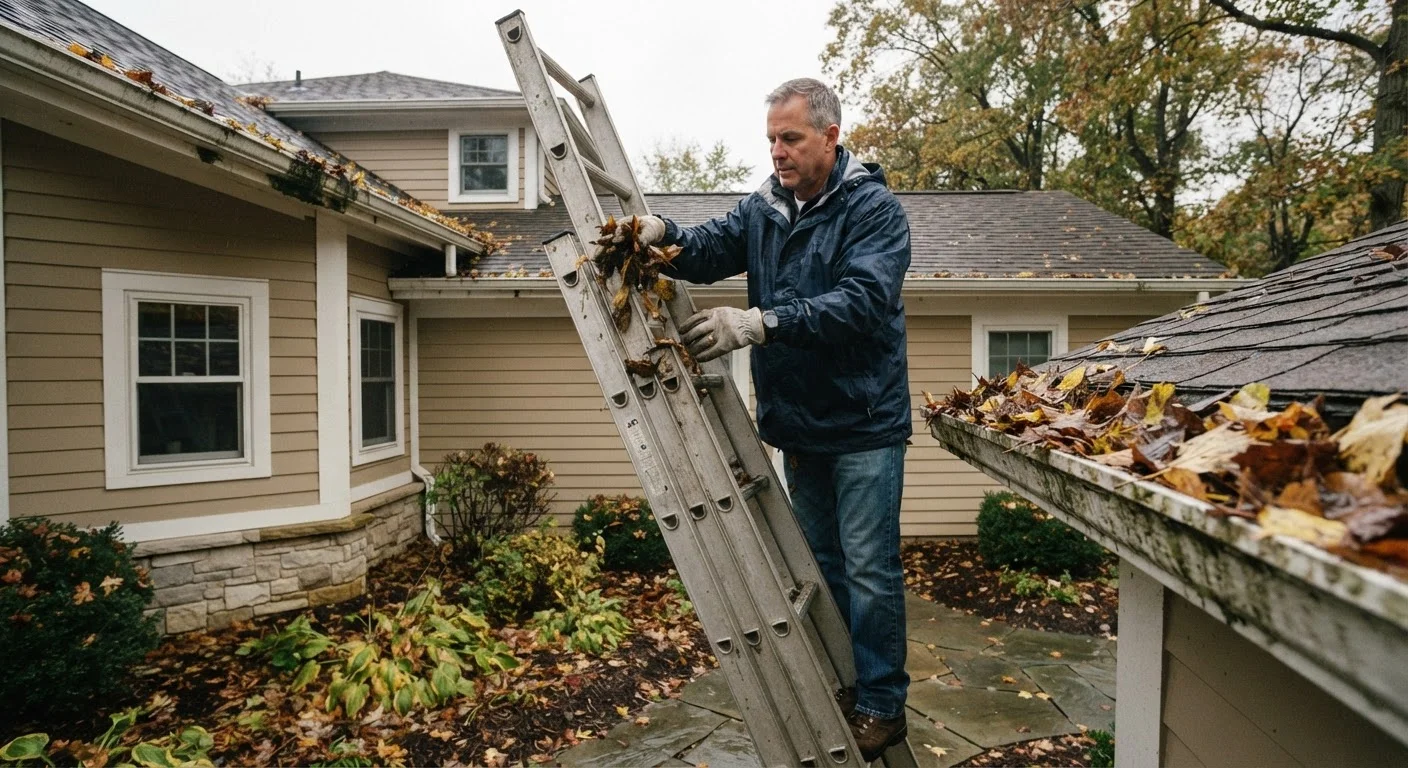
Photo credit: advancesimple.com
In this article
A season-by-season look at the maintenance tasks that catch small problems before they turn into major, budget-busting repairs.
Key Takeaways
- Routine seasonal checks cost far less than emergency repairs triggered by neglect.
- Most checklist tasks require basic tools and no licensed contractor.
- Sealing air leaks and maintaining HVAC filters are among the highest-return maintenance habits.
- Water damage from undetected leaks is one of the most expensive home repair categories.
- A consistent schedule reduces the chance of overlapping repair costs hitting in one season.
Why seasonal maintenance saves money
Home repair bills tend to arrive without warning, but most originate from problems that were visible months earlier. A cracked caulk line lets water in; a clogged gutter sends water behind the fascia; a dirty HVAC filter strains the motor. Each of those starts small and fixable, then graduates into a repair that can cost hundreds or thousands of dollars.
This checklist is organized by season so you can work through it in manageable blocks rather than facing a year-long to-do list all at once. New homeowners will find it useful alongside the first-time homeowner maintenance guide, which covers tools, timelines, and cost-saving habits in more depth.
Before tackling any task that involves electrical panels, gas lines, load-bearing structures, or roofing beyond simple inspection, consult a licensed contractor. Local permit requirements vary, and some repairs legally require a professional. When you are weighing which jobs to handle yourself, the DIY vs. contractor cost comparison breaks down where the financial line tends to fall.
Know when to call a licensed professional
Tasks involving your electrical panel, gas appliances, structural framing, or roof replacement carry safety and legal risks that go beyond DIY scope. Many jurisdictions require permits and licensed tradespeople for this work. Always verify your local requirements before starting, and do not skip inspections or permits to cut costs, since unpermitted work can affect insurance claims and home resale.
Tools and supplies to have on hand
Most seasonal maintenance tasks need only a short list of inexpensive supplies. Stocking them before you start saves multiple hardware store trips and keeps the checklist moving.
Caulk gun and tube of exterior caulk
Seals gaps around windows, doors, and exterior penetrations to prevent water and air infiltration.
Weatherstripping rolls or door sweeps
Replaces worn seals on exterior doors that allow conditioned air to escape and outdoor air to enter.
Replacement HVAC filters
Maintains clean airflow through the heating and cooling system, reducing strain and energy use.
Gutter scoop or garden trowel
Removes compacted debris from gutters efficiently before flushing with a hose.
Pipe insulation sleeves
Protects exposed water pipes in unheated areas from freezing during cold months.
Voltage tester (non-contact)
Allows safe verification that circuits are de-energized before inspecting outlets or switch plates.
Foam outlet gaskets
Reduces air infiltration through electrical outlets and switch plates on exterior walls.
The seasonal maintenance checklist
Work through each group at the start of the relevant season. Mark items complete and note anything that needs a follow-up repair. Even a basic spreadsheet or notes app works well for tracking year to year.
Spring
Summer
Fall
Winter
Air sealing deserves special attention because it affects both comfort and utility bills in every season. The guide to caulk and weatherstripping explains exactly where gaps tend to appear and how to address them at low cost. If you notice patterns in where money is leaving your household, a household spending audit can help you see repair costs alongside other recurring expenses.
Common mistakes that cancel out maintenance effort
Running through a checklist only works if the underlying work is done correctly. A few habits undercut even diligent homeowners.
- Skipping the attic and crawlspace. Water intrusion often shows up there first, well before it appears on interior ceilings or walls.
- Replacing a symptom without finding the cause. Repainting water-stained drywall without locating the leak guarantees the stain returns.
- Deferring small repairs because they seem minor. Grout gaps, hairline cracks in caulk, and loose downspout brackets are all inexpensive to fix early and expensive to fix after water has moved in.
- Relying on unverified shortcuts. Some popular cost-cutting ideas in home improvement actually increase long-term costs. The budget renovation myths article covers several worth knowing before you start.
Pairing this checklist with an annual financial checkup gives you a full picture of where household money goes, so maintenance spending sits in context alongside insurance, subscriptions, and savings goals.

Author
Home on a Budget Editorial Team
Home on a Budget Editorial Team is the collective byline for our editorial team and contributor network. Articles published under this byline or an editorial pen name are researched, written, and reviewed according to our editorial standards for clarity, consistency, and independence before publication.
View all articles →