
Why Your Water Bill Keeps Climbing Despite No New Appliances
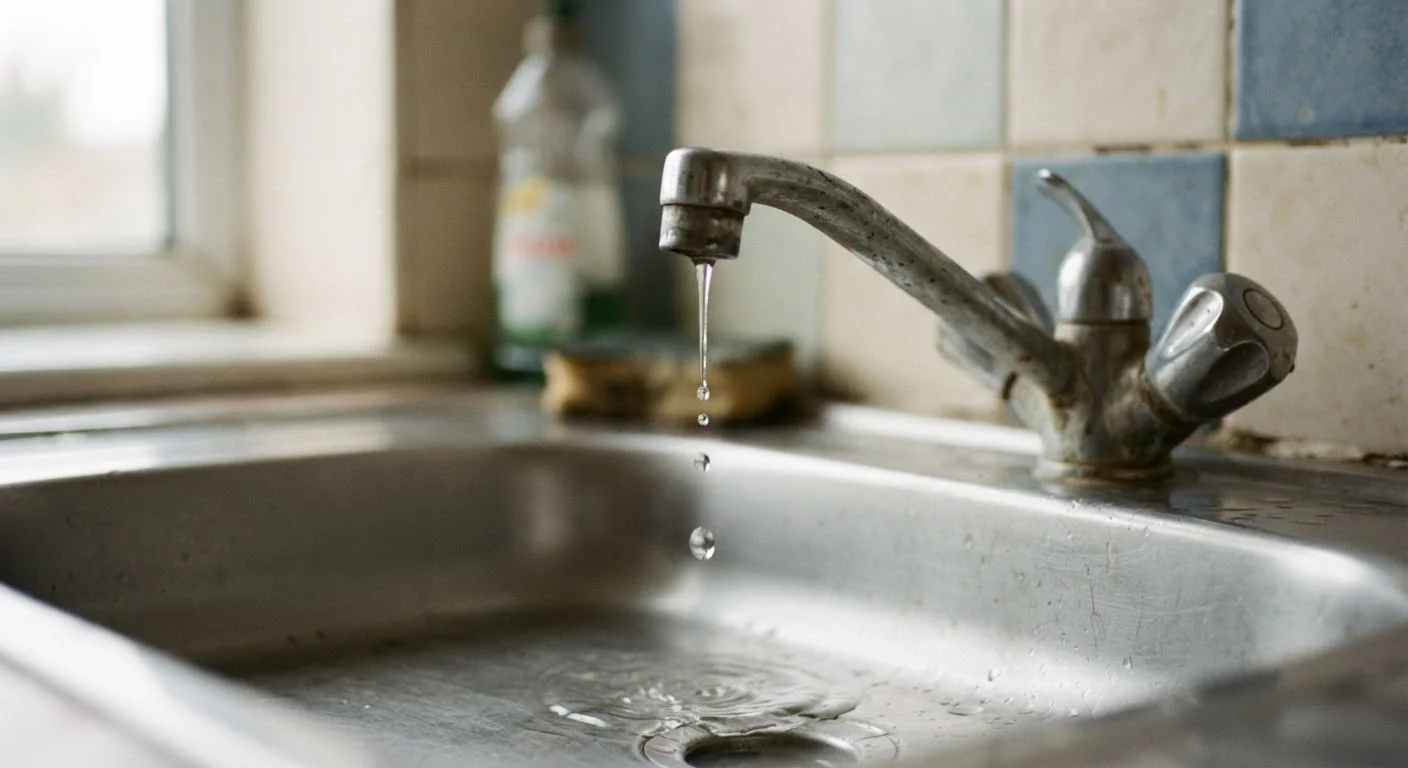
Photo credit: advancesimple.com
In this article
Slow leaks, inefficient fixtures, and overlooked habits are often the culprit. Learn how to diagnose and address rising water costs.
Key Takeaways
- Silent leaks in toilets and faucets are among the most common causes of unexplained water bill increases.
- Irrigation systems and outdoor hoses account for a large share of residential water use, often more than homeowners expect.
- Reading your water meter before and after a two-hour no-use period is a simple way to detect hidden leaks.
- Worn flapper valves in toilets can waste hundreds of gallons per day without any visible signs.
- Water rates in many U.S. municipalities use tiered pricing, meaning moderate overuse can trigger disproportionately higher bills.
Why bills rise without obvious changes
A higher water bill with no new appliances, no guests, and no apparent change in routine can feel baffling. The most likely explanation is not a rate hike alone. Water losses inside and outside the home tend to grow gradually, which is why many households notice the bill creeping up over months rather than spiking overnight.
Many U.S. water utilities use tiered pricing structures, where each additional unit of water above a baseline threshold costs more per unit than the last. A small, steady leak can push total monthly consumption past a pricing tier, producing a bill increase that looks far larger than the actual volume wasted. Understanding how your local utility charges is a useful first step. Check your bill or utility website for rate schedule details.
This article covers the most common mistakes homeowners make that allow water waste to go undetected, and what to do about each one. For a broader look at how overlooked costs accumulate across a household, see the spending habits quietly draining family budgets.
Common mistakes that drive up water costs
The errors below are easy to miss because they involve systems that run quietly in the background. None of them require new appliances to cause real financial damage.
Ignoring a running toilet because it seems minor.
Why it happens: Toilets that run intermittently or very quietly do not trigger obvious concern. Homeowners often assume the sound is normal tank refilling.
Leaving irrigation systems on a fixed schedule year-round.
Why it happens: Many households set up an irrigation timer in summer and never adjust it for cooler months, rain events, or seasonal changes in plant water needs.
Skipping annual inspections of supply lines under sinks and behind appliances.
Why it happens: These areas are out of sight, so slow drips or moisture buildup can go unnoticed for months. Braided steel lines can corrode or crack without visible warning.
Assuming the water meter reading is wrong when the bill increases.
Why it happens: It feels more likely that a billing error occurred than that an invisible leak developed. This assumption delays investigation and allows the waste to continue.
Overlooking outdoor hose connections and spigots.
Why it happens: Outdoor plumbing gets seasonal use and is often not inspected between uses. Washers inside hose bibs degrade over time, and connections to garden hoses can loosen.
Do not ignore discolored water or wet spots
Brown or orange staining around pipe fittings or on cabinet floors can indicate a slow leak that has been running long enough to cause corrosion or mold. Water damage behind walls often costs far more to repair than the leak itself. If you find unexplained moisture or staining, have a licensed plumber assess the area before the problem worsens.
How to check for leaks yourself
The standard meter test is straightforward. Locate your water meter, usually near the street or at the curb, and record the reading. Then avoid all water use in the home for two hours, including ice makers, humidifiers, and irrigation controllers. Check the meter again. Any change in the reading indicates a leak somewhere in the system.
For toilets specifically, add a few drops of food coloring to the tank. Wait ten minutes without flushing. If color appears in the bowl, the flapper valve is leaking. Flappers are inexpensive and can usually be replaced without professional help, though any work involving the main supply line or in-wall plumbing warrants a licensed plumber.
Outdoor faucets and hose bibs deserve attention too. A hose left partially on or a bib with a worn washer can lose a significant amount of water over a billing cycle. Walk the perimeter of the home and check each connection.
Keeping a closer eye on recurring household costs is a habit that pays off in multiple areas. The same discipline that catches a slow leak applies to other budget drains, as outlined in a household spending audit you can do this weekend. Similarly, the logic behind small-fix, big-return repairs applies to other utility costs: cheap weatherstripping can pay for itself quickly in reduced energy bills.

Author
Home on a Budget Editorial Team
Home on a Budget Editorial Team is the collective byline for our editorial team and contributor network. Articles published under this byline or an editorial pen name are researched, written, and reviewed according to our editorial standards for clarity, consistency, and independence before publication.
View all articles →