
Seed Packets vs. Starter Plants: What Actually Costs Less Over a Season
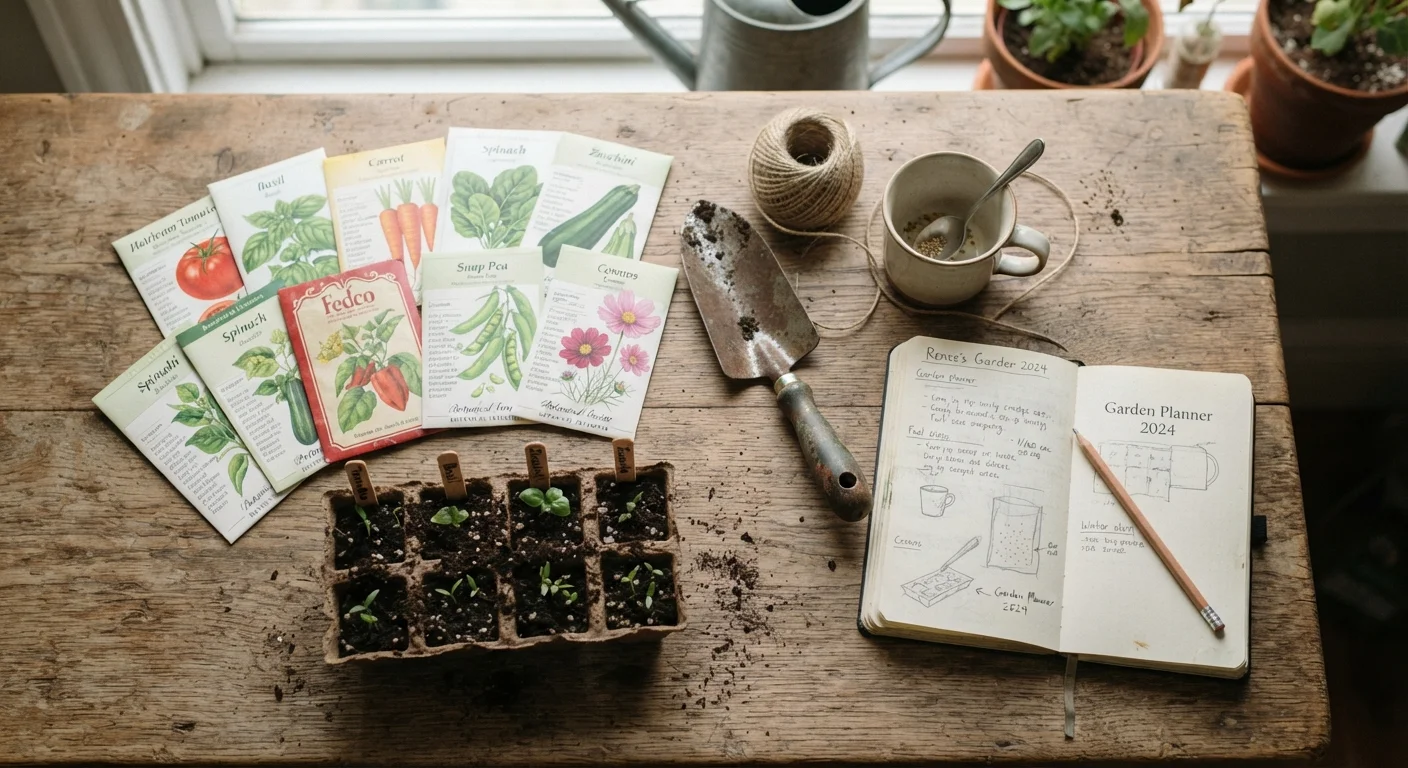
Photo credit: advancesimple.com
In this article
Buying seeds or buying seedlings? Understand the real cost difference and which choice makes more sense for your garden size and goals.
Key Takeaways
- Seed packets cost far less per plant than nursery-grown starters, especially for large plantings.
- Starter plants reduce time, risk, and equipment needs, which has real value for beginners.
- Some crops, like tomatoes and peppers, benefit from starting indoors weeks before planting outdoors.
- Hidden seed costs include seed-starting mix, containers, lighting, and heat mats if growing indoors.
- Crops like beans, carrots, and radishes are almost always better direct-sown from seed.
- Mixing both approaches based on crop type and your available time is a reasonable middle path.
The actual price difference, by the numbers
A packet of vegetable seeds typically runs between $2 and $5 and contains anywhere from 25 to several hundred seeds, depending on the crop. A single starter plant at a nursery or garden center generally costs $3 to $6 for common vegetables like tomatoes, peppers, and herbs. That means one tomato starter can cost as much as an entire packet of tomato seeds that yields 30 or more plants.
For a family putting in a dozen tomato plants, seeds could cost less than $5 total, while starters for the same planting might run $40 to $70. Across a full vegetable garden, the gap between the two approaches can easily reach $100 or more in a single season.
However, seeds carry setup costs that starters do not. Starting seeds indoors requires seed-starting mix, trays or containers, and enough light to prevent weak growth. A basic shop light or grow light setup can cost $30 to $80 upfront. A seedling heat mat adds another $20 to $30. Those costs spread across multiple seasons, but they are real in year one.
| Criterion | Seed packets | Starter plants |
|---|---|---|
| Typical cost per plant | $0.05 to $0.25 | $3 to $6 |
| Upfront setup cost | $30 to $80 (first year) | None |
| Time to transplant outdoors | 6 to 10 weeks (indoors) | Ready at purchase |
| Germination risk | Moderate to high | Very low |
| Variety selection | Very wide | Limited to nursery stock |
| Seed saving potential | Yes (open-pollinated types) | Rarely (usually hybrid) |
| Best for root crops | Yes (only practical option) | No |
Which crops genuinely need seeds
Some vegetables do not transplant well and should be direct-sown into garden soil from the start. Carrots, beets, radishes, turnips, beans, peas, and most root crops fall into this group. Their roots are disrupted by transplanting, and starter versions are rarely sold at nurseries anyway. For these crops, seed packets are the only practical option.
Corn is also typically direct-sown in blocks, and buying corn starters is unusual and expensive by comparison. Fast-growing crops like lettuce and spinach germinate quickly and easily outdoors, so buying them as starters is rarely cost-effective.
See our guide to starting a vegetable garden on almost no budget for a more detailed breakdown of which crops work well for beginners.
Where starter plants earn their price
Tomatoes, peppers, and eggplants need 6 to 10 weeks of indoor growth before they can go outside in most US climates. Without a reliable setup for light and warmth, seeds started indoors often produce thin, stretched seedlings that struggle after transplanting. A healthy nursery starter, grown under controlled conditions, can outperform a poorly started homegrown seedling even if it costs more upfront.
For families with a small container garden on a patio or balcony, buying 2 to 4 starter plants makes more financial sense than buying a seed packet when only a handful of plants are needed. Paying $5 for a starter is reasonable when the alternative is spending $3 on seeds and ending up with more seedlings than you can use or space for.
Container gardening in small spaces involves its own set of tradeoffs, and plant count is one area where starters often win.
$0.10
Average cost per tomato plant from seed
A $3 packet with 30 viable seeds works out to about 10 cents per plant before setup costs.
6-10 weeks
Indoor lead time for tomatoes and peppers
Most US extension gardening guides recommend starting tomatoes and peppers indoors this far ahead of the last frost date.
25-500+
Seeds per packet, by crop
Packet size varies widely: lettuce packets often contain hundreds of seeds, while squash packets may have 15 to 25.
Long-term savings from seed saving
One cost most families overlook is that open-pollinated and heirloom seed varieties can be saved at the end of the season and replanted the following year. A packet of open-pollinated tomato seeds used this year can supply seeds for next year at no additional cost. Hybrid seeds, which are common in nursery starters, do not reliably reproduce true-to-type when saved.
Starter plants are almost always grown from hybrid seed for consistency, so buying starters each season is an ongoing cost. Families who invest in seed saving can dramatically reduce their annual seed spending over time. The full range of low-cost ways to get more plants also includes divisions and cuttings, which are worth considering alongside seed saving.
Soil health also affects how well either type of start performs once in the ground. Affordable soil amendments can improve germination rates and seedling establishment without adding much to the season's costs.

Author
Budget Garden & Yard Editorial Team
Budget Garden & Yard Editorial Team is the collective byline for our editorial team and contributor network. Articles published under this byline or an editorial pen name are researched, written, and reviewed according to our editorial standards for clarity, consistency, and independence before publication.
View all articles →