
Starting a Vegetable Garden on Almost No Budget
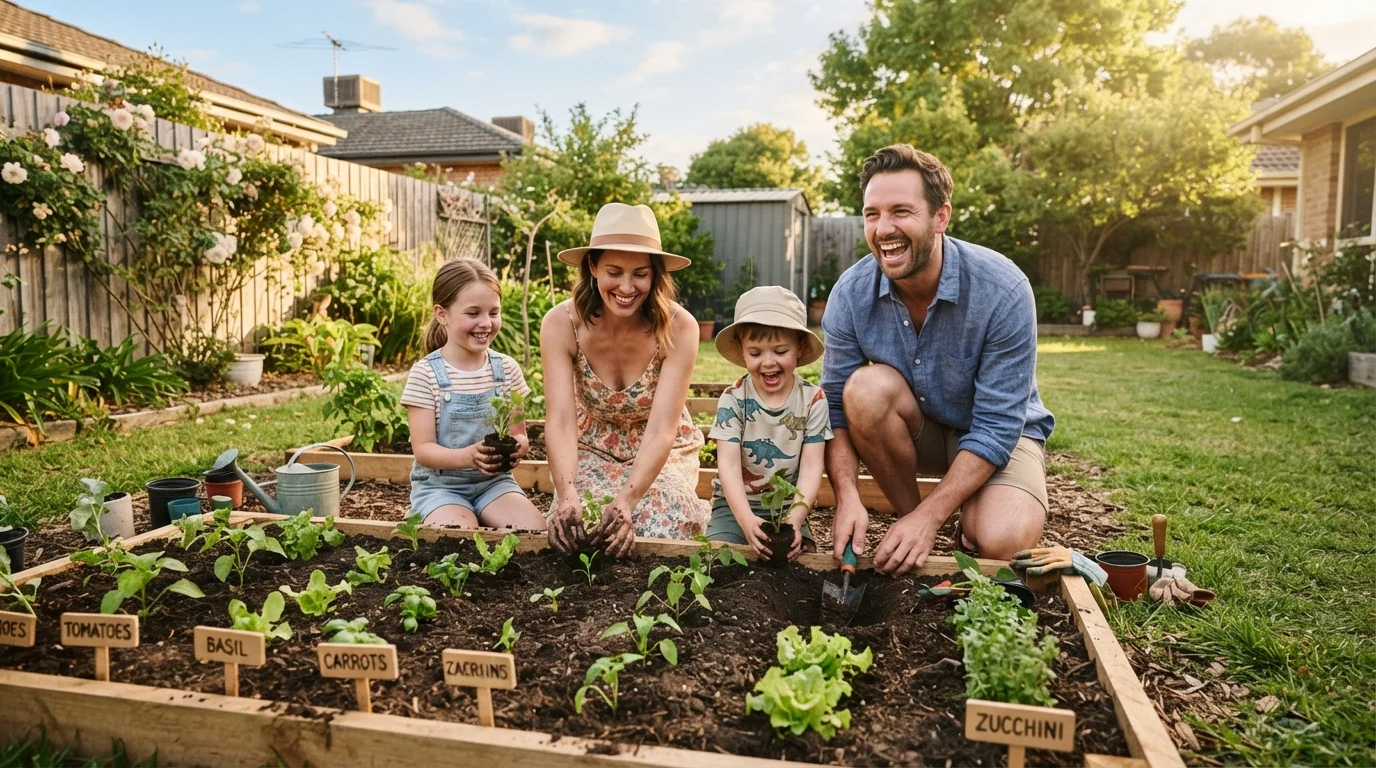
Photo credit: advancesimple.com
In this article
Learn how to grow your own food without spending much. Practical tips on soil, seeds, and space for first-time family gardeners.
Key Takeaways
- A 4-by-8-foot garden bed can grow enough produce to meaningfully reduce a family's summer grocery bill.
- Seeds cost far less than starter plants and many vegetables grow easily from seed direct-sown in the ground.
- Compost made from kitchen scraps replaces the need to buy bags of fertilizer or amended soil.
- Community seed libraries and neighborhood plant swaps let families start with almost zero upfront cost.
- Poor soil and overwatering cause most beginner garden failures, not lack of money or equipment.
Why a vegetable garden makes sense for budget-minded families
Growing a portion of your own vegetables costs less than buying them at the store over a full season, and the gap widens when you start from seed rather than from nursery transplants. A packet of green bean seeds that costs around one dollar can produce many pounds of beans. That math is hard to ignore for families watching their grocery spending.
Beyond the food itself, a garden gives children a hands-on activity that costs nothing to run day to day. Watering, weeding, and watching plants grow are all forms of outdoor time that do not require any ongoing expense. For families already thinking about frugal living habits, a vegetable garden fits naturally into a broader pattern of producing rather than always purchasing.
A garden also complements efforts to stretch the grocery budget without cutting nutrition. Fresh vegetables from your own yard tend to get eaten rather than pushed aside, which reduces food waste.
Choosing your space without spending anything
The single most important thing to check before planting anything is sunlight. Walk your yard at midday and notice which areas receive full, unobstructed sun. Most vegetables need six or more hours of direct sun each day. A shady corner will disappoint no matter how much money you spend on seeds or soil.
Start small. A 4-by-8-foot patch is enough for a first garden and small enough to manage without feeling overwhelmed. You do not need to till or frame a raised bed. The "no-dig" method lets you lay cardboard directly over grass, top it with a few inches of compost, and plant into that layer. The cardboard smothers existing grass and breaks down over time, adding organic matter to the soil below.
If your outdoor space is limited, container gardening is worth considering for balconies and patios, though it does come with real tradeoffs around watering frequency and soil volume.
Mark sun patterns before you dig
Spend one full day watching your yard before choosing a garden location. Check the same spot at 9 a.m., noon, and 3 p.m. and note whether it is in sun or shade each time. This takes one day and can save an entire season of effort if it steers you away from a spot that looks sunny but is actually shaded for most of the afternoon.
Soil: the one area worth your attention
Poor soil causes more beginner garden failures than any tool shortage or wrong seed choice. Vegetables need loose, moisture-retaining soil with enough organic matter to support root growth. Many American backyards have compacted clay or sandy soil that needs amendment before plants will thrive.
Compost is the most effective and lowest-cost fix. You can make your own from kitchen scraps and yard waste using nothing more than a pile in a corner of the yard. The basics of home composting require no special equipment and cost nothing to run once started. A working pile produces free, nutrient-rich material you can mix into your planting area each season.
If you need soil faster than a compost pile can produce it, municipal composting programs in many cities offer free or low-cost compost to residents. Check your local public works or parks department website for availability in your area.
Seeds and seedlings on a shoestring
Seeds are almost always cheaper than nursery transplants, and many vegetables do better when direct-sown into the ground anyway. Beans, carrots, radishes, beets, and squash all prefer going straight into the soil rather than being transplanted. For a full breakdown of the cost difference by crop type, see seed packets vs. starter plants.
Community seed libraries, often housed inside public libraries, let you borrow seeds at no charge and return seeds from your harvest at the end of the season. This model keeps costs at zero for participating families year after year. Neighborhood seed swaps and community social media groups are also reliable sources of free seeds and divisions from established plants. The article on free and low-cost ways to get more plants covers these options in more detail.
Focus your first season on fast-growing, high-yield crops: lettuce, radishes, green beans, and zucchini. These reward beginners quickly and produce enough to feel worthwhile without a large investment.
Direct sowing
Planting seeds directly into the garden soil rather than starting them indoors in trays first. Many vegetables prefer this method and it eliminates the need to buy or make seed-starting containers.
No-dig gardening
A planting method where you layer compost or other organic material on top of existing ground, often over cardboard, and plant into that top layer without tilling the soil underneath.
Hardiness zone
A USDA-defined geographic area based on average minimum winter temperatures. Knowing your zone helps you choose vegetables that will survive your local climate and time your planting correctly.
Compost
Decomposed organic material made from food scraps and yard waste. Mixed into garden soil, it improves texture, holds moisture, and provides nutrients that vegetables need to grow.
Seed library
A community lending program, often run through a public library, that lets you borrow seeds for free and return seeds harvested at the end of the season to replenish the collection.
Keeping costs low once the garden is planted
Watering is the most common place new gardeners go wrong, and it costs nothing to fix. Most vegetables need about one inch of water per week, either from rain or from you. Overwatering drowns roots and invites disease. A simple check: push your finger an inch into the soil. If it feels dry, water. If it still feels moist, wait.
Weeding by hand while weeds are small takes far less time and effort than dealing with established weeds later. A five-minute daily walk through the garden to pull small weeds prevents the need for any herbicide or specialized tool.
Saving seeds from your harvest lets you start next season for free. Tomatoes, beans, peppers, and many other vegetables produce seeds that are easy to dry and store. This one habit compounds over time: each season costs less than the last.
For families who also want to improve the appearance of their broader yard on a limited budget, low-cost curb appeal strategies describe approaches that pair well with a productive kitchen garden. And if plants struggle in the first weeks, understanding why new plants die early can help you correct the problem before losing the whole planting.
Frequently Asked Questions

Author
Budget Garden & Yard Editorial Team
Budget Garden & Yard Editorial Team is the collective byline for our editorial team and contributor network. Articles published under this byline or an editorial pen name are researched, written, and reviewed according to our editorial standards for clarity, consistency, and independence before publication.
View all articles →